SASE 38th Annual Conference
“From Crisis to Capacity: Worker Centers and Infrastructures of Worker Power in Pandemic and Post-Pandemic New York.”
Conference details →A selective professional record—not a social-media feed. These entries document upcoming presentations, research, training, leadership, and community-engaged work, with the date and my role made explicit.
A clear distinction between accepted work and completed appearances keeps the record current without implying that a future event has already happened.
“From Crisis to Capacity: Worker Centers and Infrastructures of Worker Power in Pandemic and Post-Pandemic New York.”
Conference details →“Making the Impossible, Possible”: Coalitional Movement Infrastructures and the Fight for the NY Excluded Worker Fund.
121st Annual Meeting →“From Crisis to Care: Community Interviews on Worker Centers and Collective Power.”
2026 Annual Meeting →Serving as a conference co-organizer for a Cornell program focused on migration and sustainability in contentious political times.
Presentations, institutes, and community-engaged work arranged from newest to oldest.

Selected with scholarship support for an intensive graduate institute on racial politics, democratic backsliding, authoritarianism, and institutional power.
The institute helped me connect racial formation and migration politics to the institutions that organize labor, citizenship, and democratic participation.
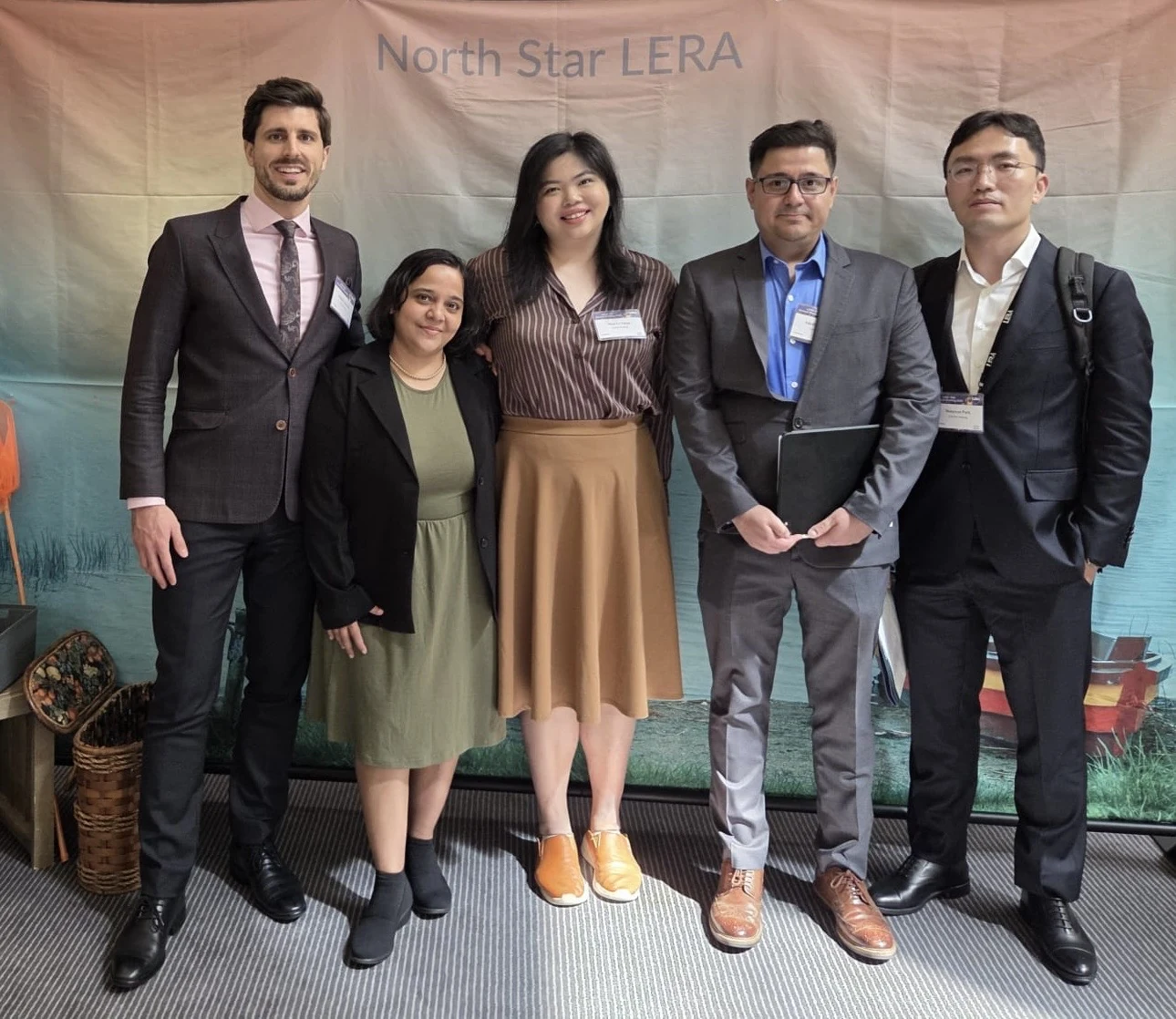
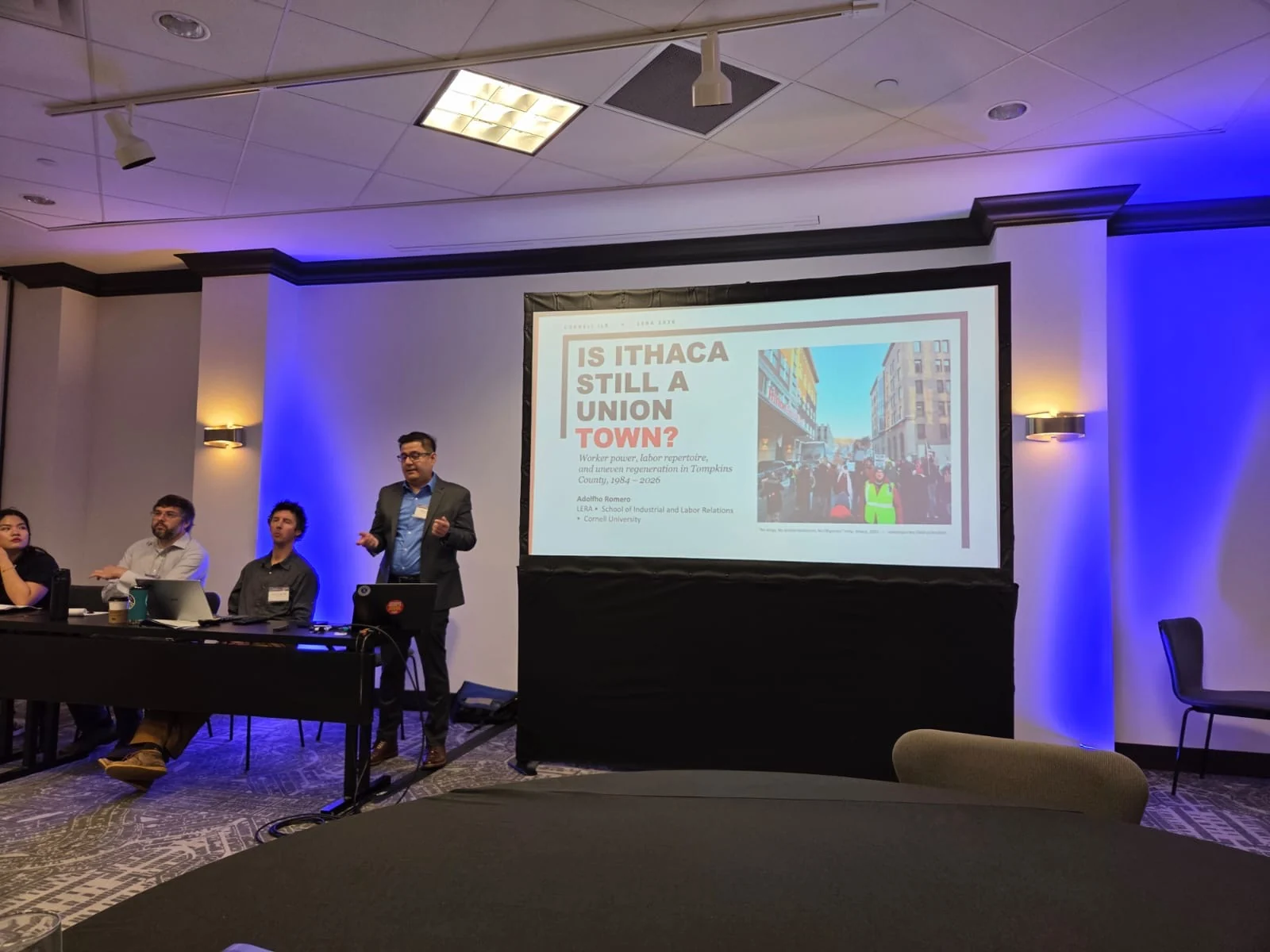
I presented “Is Ithaca Still a Union Town?” at the Labor and Employment Relations Association Annual Meeting.
The research examines worker power, local labor repertoires, and uneven regeneration in Tompkins County from 1984 to 2026.
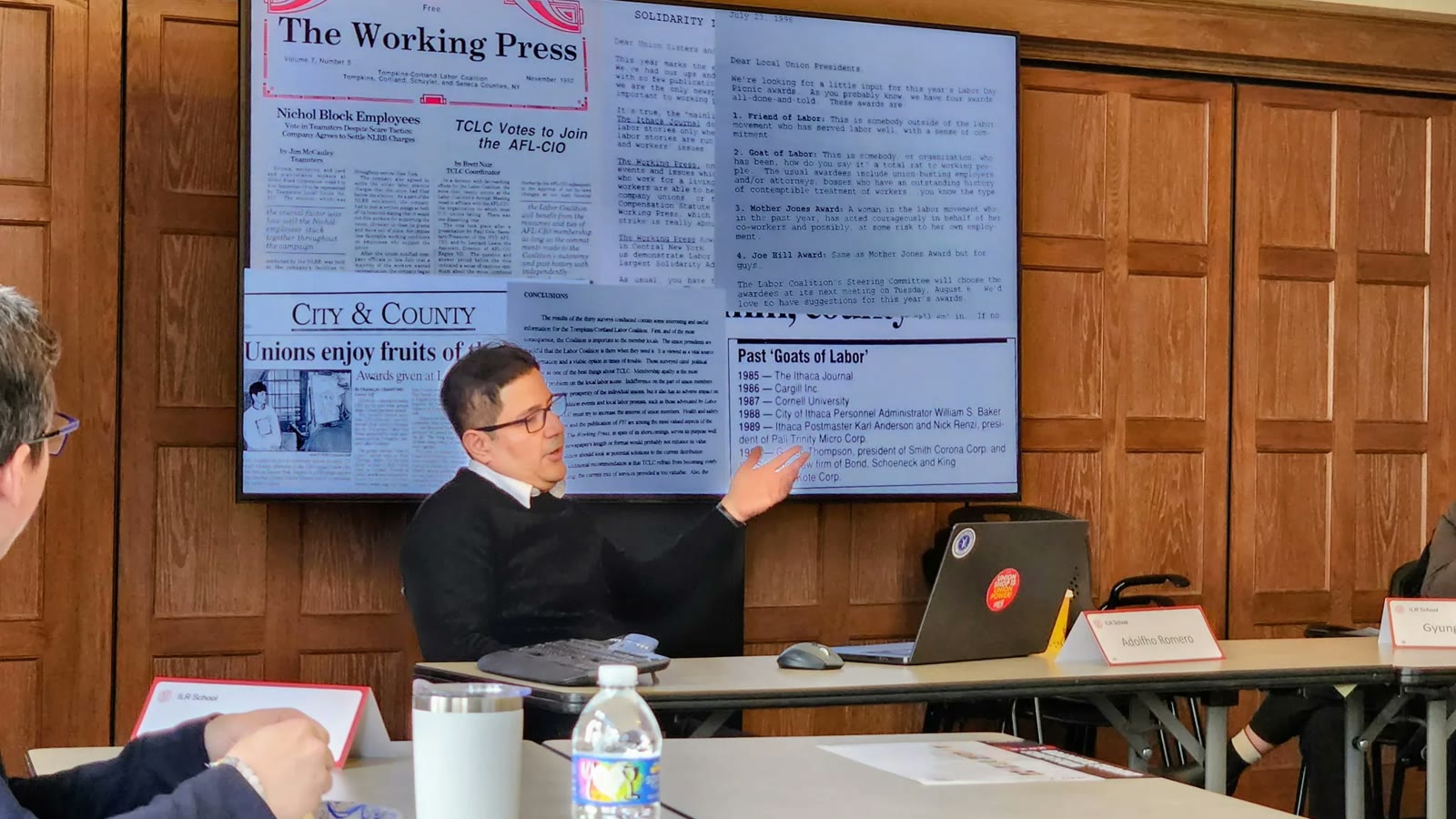
I presented “Field Generated Power Resources in Decentralized Labor Ecosystems” at the Global Labor and Work Department’s Graduate Student Symposium.
The presentation examined how worker centers and community organizations generate power through relationships, leadership development, and locally rooted institutions beyond the conventional union workplace.
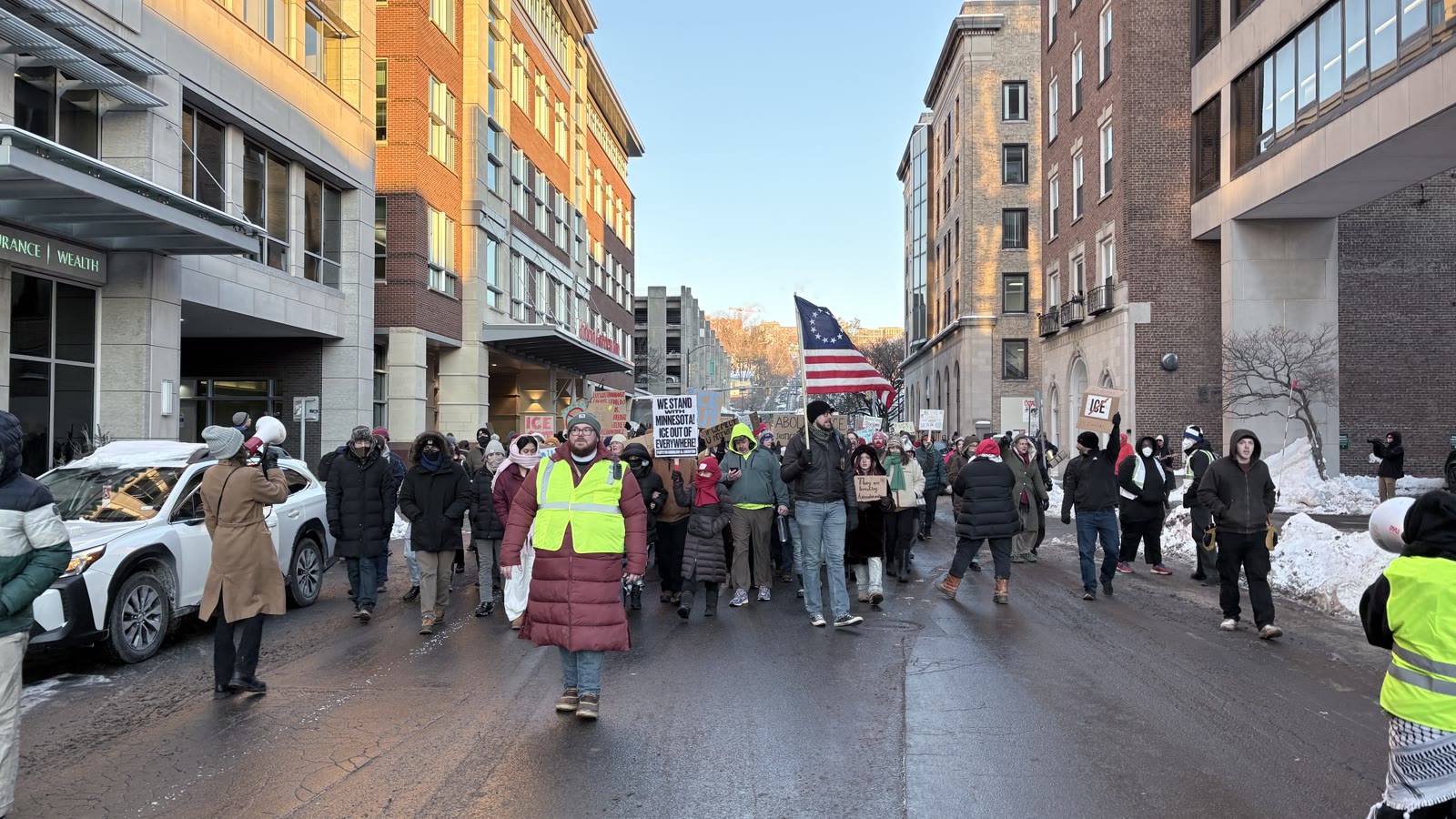
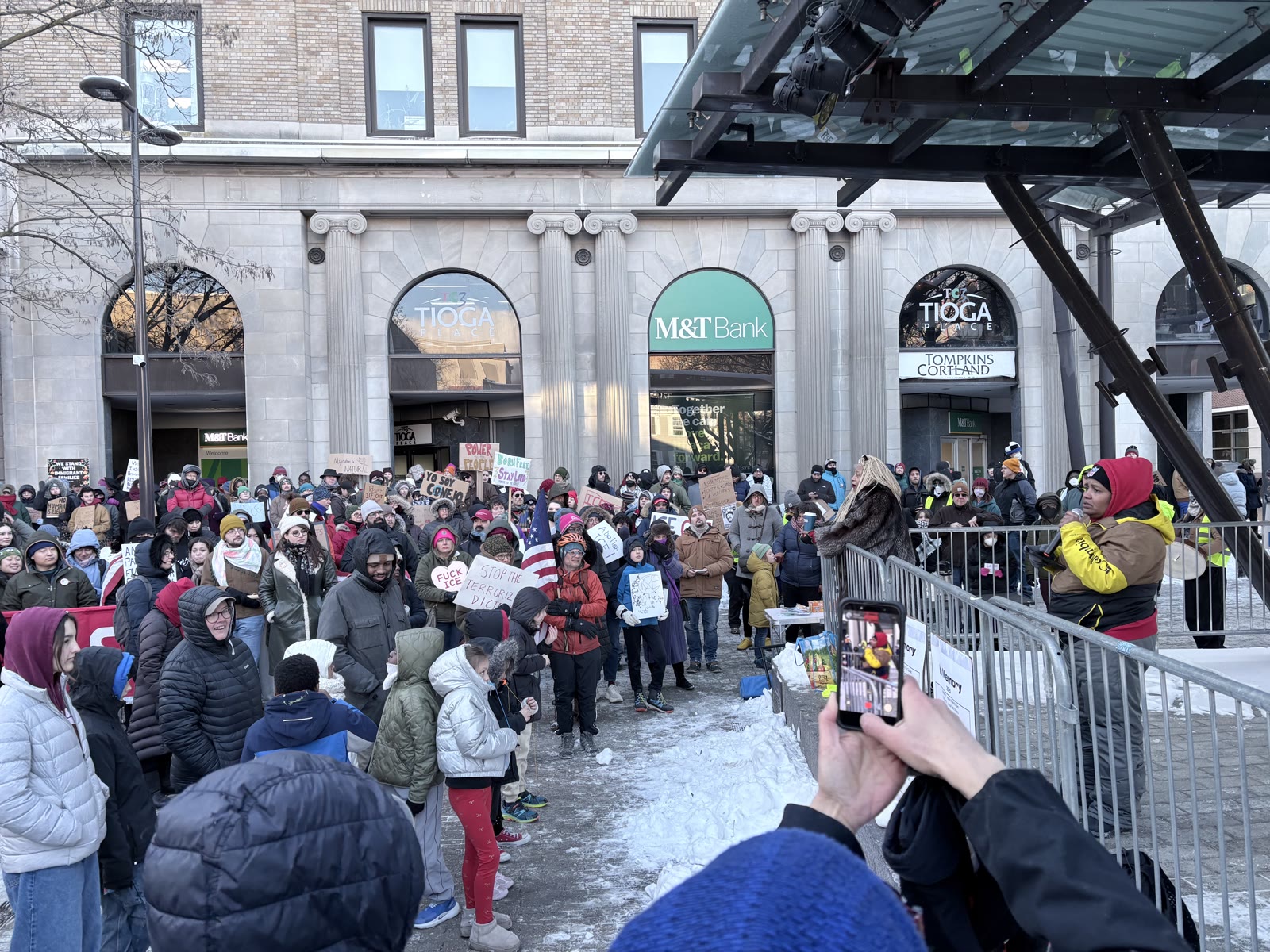
I participated in a community safety patrol supporting immigrant neighbors, working alongside Indivisible, No Más Lágrimas, Ana Ortiz, and other local partners.
My role was supportive: helping maintain a safer public space while community leaders and families made their own demands visible.
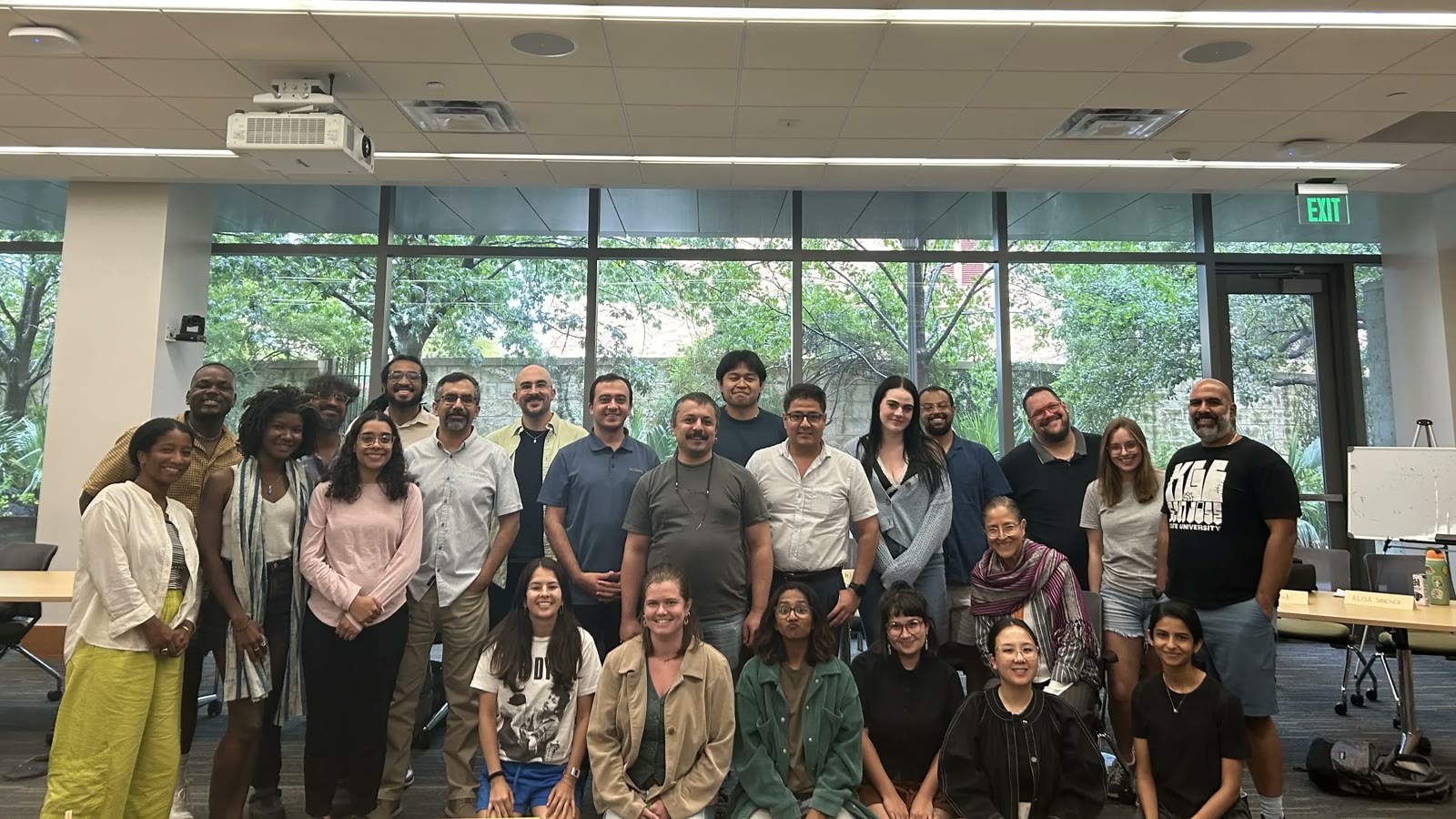
Hosted by the Urban Ethnography Lab at the University of Texas at Austin, the summer school treated ethnography as the disciplined construction of evidence rather than neutral data collection.
We worked through in-depth interviewing, interaction and conversation analysis, qualitative data analysis, memoing, evidentiary warrants, deviant cases, epistemological vigilance, and non-extractive ethics—including how researchers return knowledge to the communities that make the work possible.
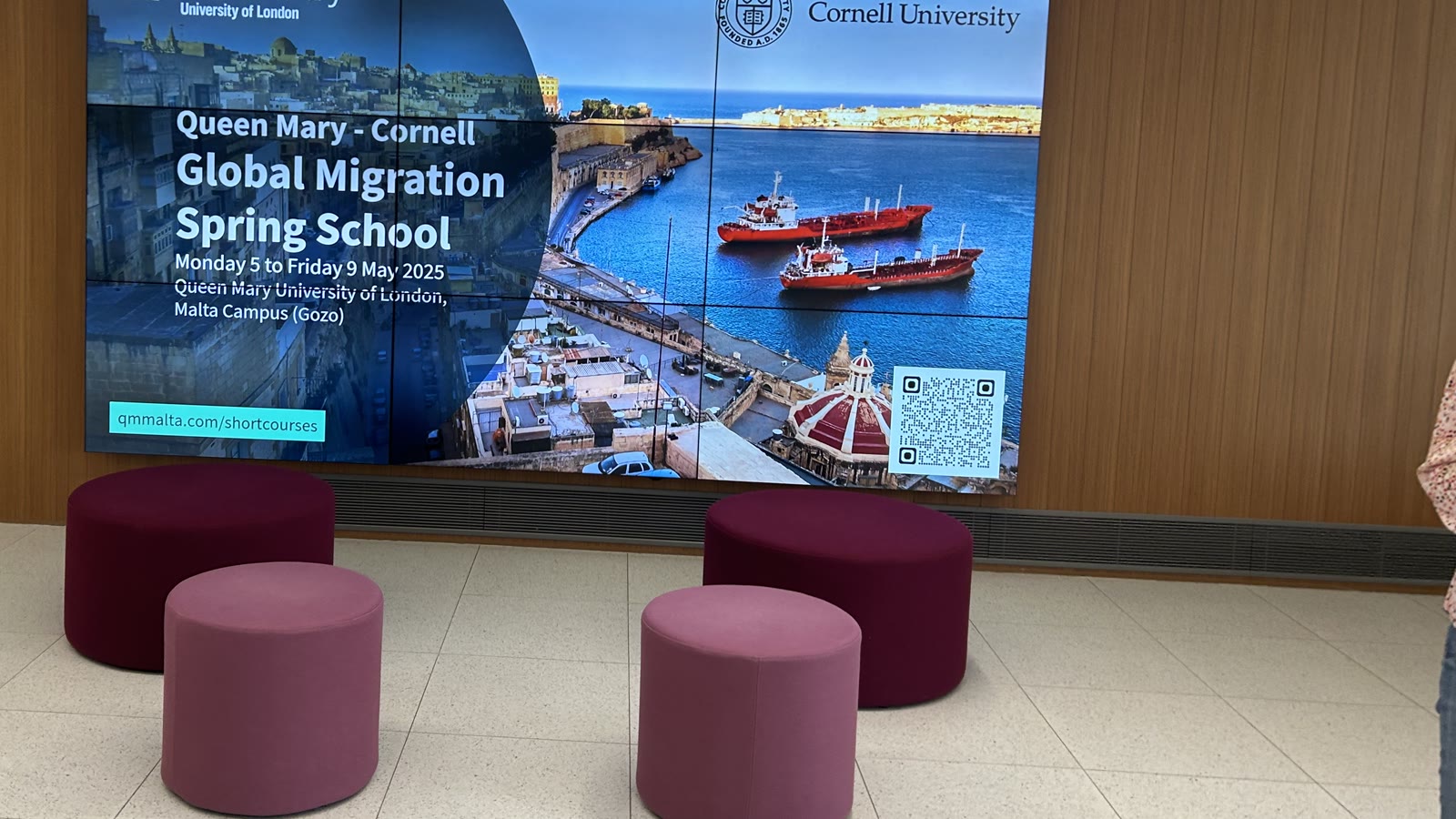
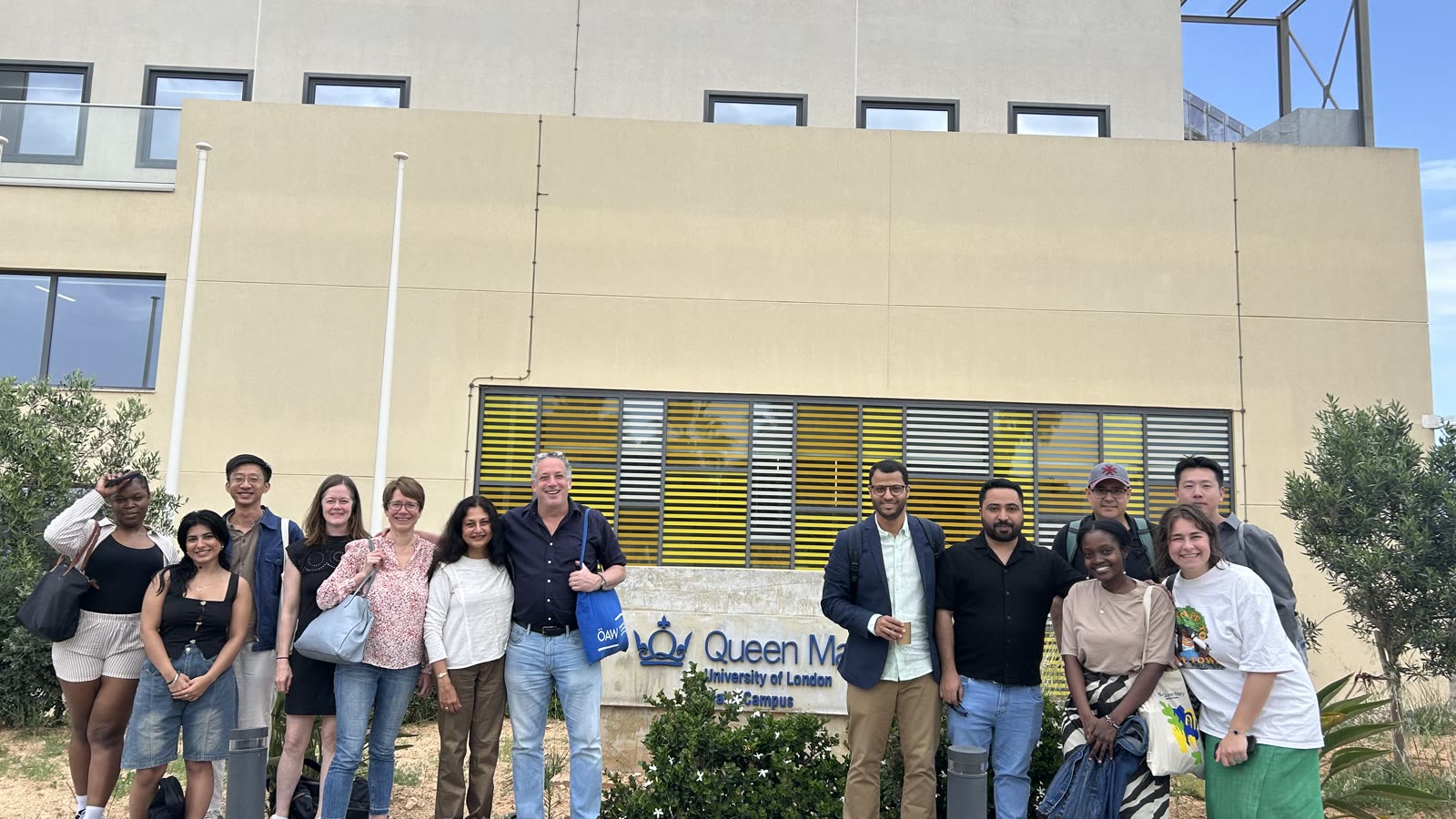
At Queen Mary University of London’s Malta campus, I joined a cross-disciplinary cohort examining migration through geography, history, law, public health, and policy.
The program sharpened how I connect migrant labor pathways and displacement to urban governance, borders, and the institutional production of exclusion.